
When it comes to freight shipping, acronyms like FTL, LTL, FCL, and LCL can be confusing. These shipping terms define how goods are transported—by truck or container—and how much space your shipment occupies. BR Williams Trucking (BRW) breaks down each acronym so you can choose the most efficient and cost-effective option for your cargo.
There are two main methods of shipping freight: trucks and ships. When it comes to trucks, the two key terms are full truckloads (FTL) and less-than-truckloads (LTL). Full container load (FCL) and less than container load (LCL) are simply the ocean container versions of the same concepts. But which shipping method is best for you?
LTL Meaning – What Does LTL Stand for in Shipping?
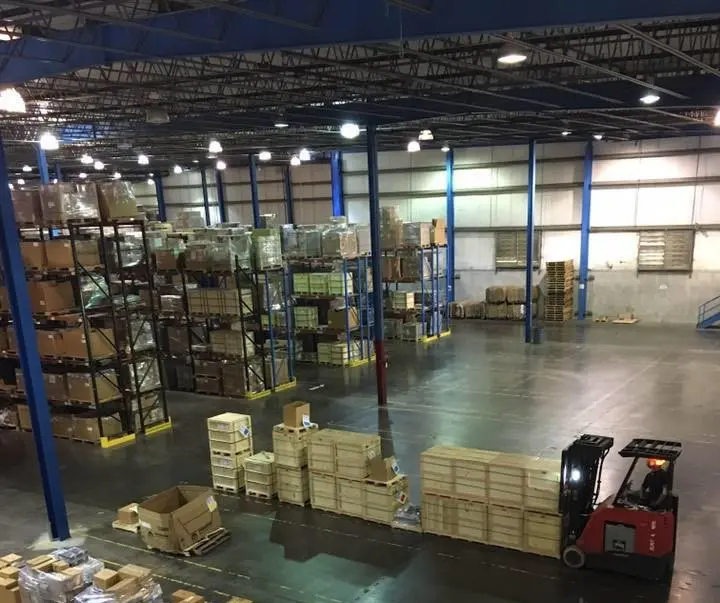
LTL means Less Than Truckload.
With LTL shipping, your freight shares space with shipments from other companies. This option is perfect if your load doesn’t require a full truck—typically under 10,000 pounds or less than 11 feet of trailer space.
Benefits of LTL Shipping:
- Pay only for the space you need
- Budget-friendly option for smaller shipments
- Environmentally efficient by maximizing truck capacity
BR Williams Trucking optimizes LTL freight through national and regional carrier networks to minimize miles and costs while maintaining on-time delivery.
FTL Meaning – What Does FTL Mean in Trucking?

FTL stands for Full Truckload.
In FTL shipping, your shipment takes up the entire truck. This means your freight is the only load on board, allowing you full control and faster transit times. Businesses typically use FTL when shipping 10 or more pallets, or when cargo is large, heavy, or time-sensitive.
Benefits of FTL Shipping:
- Faster delivery with fewer stops
- Greater control and security
- Ideal for large or fragile shipments
At BRW, we handle full truckload shipping with precision and care—treating your freight as if it were our own.
FCL Meaning – What Does FCL Mean in Shipping?
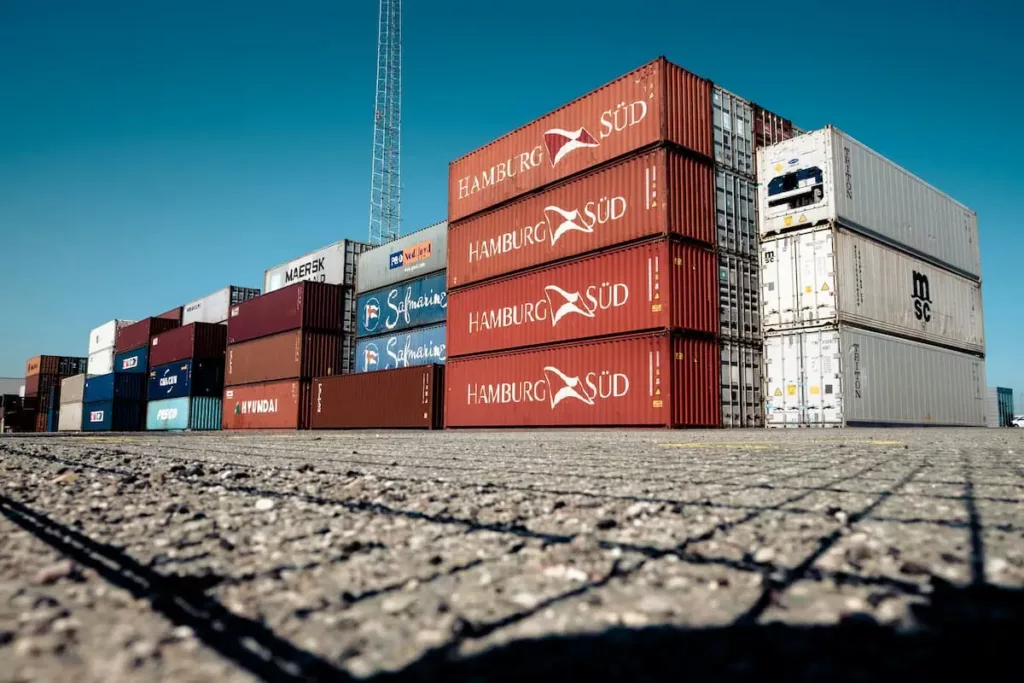
FCL stands for Full Container Load.
Similar to FTL, FCL shipping applies to ocean freight where your goods fill an entire container—either 20-foot or 40-foot standard sizes. Because the container is dedicated solely to your shipment, it’s the safest and fastest ocean freight option.
Benefits of FCL Shipping:
- Faster transit with no shared space
- Reduced risk of damage or contamination
- Ideal for bulk or high-value shipments
At BRW, we ensure your FCL shipments are handled efficiently from port to destination with full visibility and tracking.
LCL Meaning – What Does LCL Mean in Shipping?
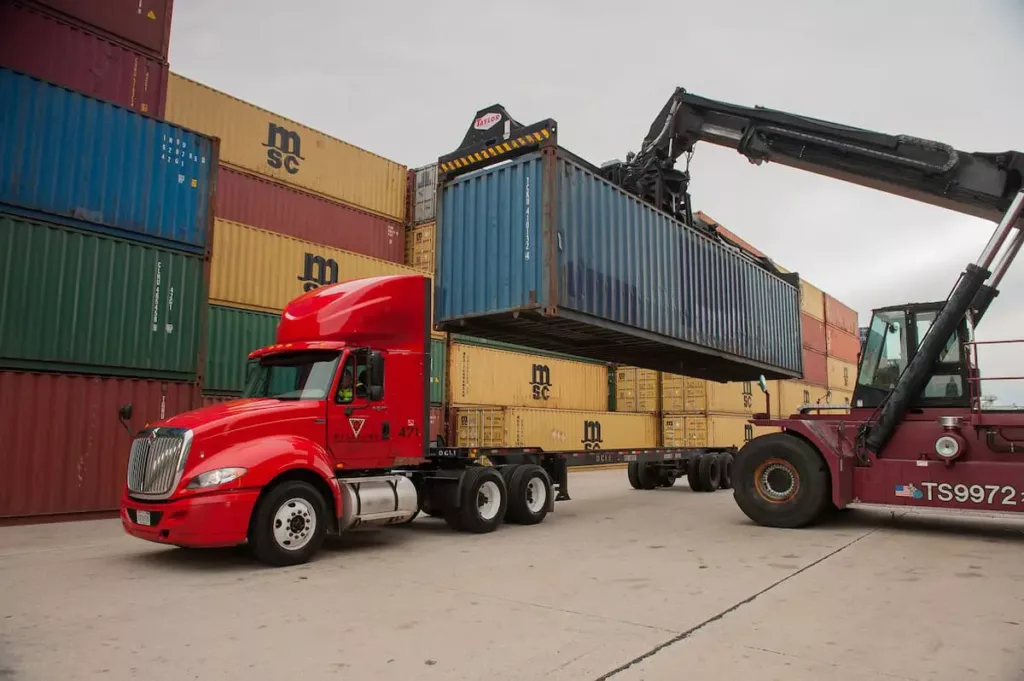
LCL means Less Than Container Load.
In LCL shipping, your cargo shares a container with other shippers. It’s ideal for small-to-medium businesses or when your shipment doesn’t fill a full container (typically under six to twelve pallets).
Benefits of LCL Shipping:
- Cost-effective option for smaller loads
- Flexible and scalable as your business grows
- Pay only for the space you use
If you’re testing new markets or have variable shipping volumes, LCL shipping through BR Williams Trucking is a smart, affordable solution.
Choosing the Right Shipping Method with BRW
When selecting between FTL, LTL, FCL, and LCL, consider:
- Shipment size and weight
- Fragility of your cargo
- Delivery deadlines
- Budget constraints
BR Williams Trucking helps businesses of all sizes find the right freight solution. With our integrated logistics, warehousing, and distribution services, we streamline your supply chain while ensuring reliability and transparency through our online customer portal.
Contact BRW today for a quote and discover which shipping method best fits your freight needs.
Related Reads
6 Benefits of Less-Than-Truckload (LTL) Shipping
How to Optimize LTL Shipments for Cost Savings and Sustainability
The Future of LTL Trucking – Anticipating Trends for Cost-Effective Shipments